

Latest Posts

Manual vs Air Pilot vs Solenoid Valves: Which Should You Use?
A directional control valve can often perform the same pneumatic function whether it is operated manually, by a pneumatic pilot signal or by an electrical solenoid. The difference is how

When Should You Use Soft Start Valves?
Restoring compressed air to a machine can produce more movement than expected. Cylinders may have shifted while depressurised, directional valves may still be passing air to an actuator, and a

How Much Do Compressed Air Leaks Really Cost?
A small compressed air leak rarely looks urgent. The machine is still running, the pressure gauge looks normal, and the only obvious symptom may be a faint hiss from a

Choosing Pneumatic Components for Food Manufacturing
Pneumatic components used in food manufacturing have to cope with more than pressure, flow and cycle rate. Washdown routines, cleaning chemicals, moisture, temperature changes and proximity to exposed product can

How Dirty Compressed Air Damages Pneumatic Equipment
Compressed air can look perfectly clean at the point of use while still carrying enough water, oil and particulate contamination to shorten the life of pneumatic equipment. The problem often

Common ISO Pneumatic Valve Standards
ISO-standard pneumatic valves are particularly useful when a directional valve fails on an older machine. Instead of being tied completely to the original manufacturer’s valve range, the standardised mounting interface

Air Consumption Calculator for Pneumatic Systems
Calculating pneumatic air consumption is useful when adding cylinders to a machine, increasing production speed, checking compressor capacity or investigating unexpectedly high compressed air demand. The calculation itself is relatively

Pneumatic Components for Pharmaceutical Applications
Pneumatic systems are used extensively throughout pharmaceutical manufacturing, from relatively straightforward carton handling through to filling, dosing, packaging and automated process equipment. The components themselves may be familiar, but the

Five Ways to Reduce Compressed Air Energy Costs
Compressed air costs are rarely determined by the compressor alone. Once air leaves the compressor room, leaks, excessive operating pressure, restrictions and poorly controlled processes all increase the amount of

Preventative Maintenance for Pneumatic Systems
Pneumatic systems rarely move from normal operation to complete failure without giving some indication that conditions are changing. A cylinder starts taking slightly longer to stroke, a valve occasionally hesitates,

What Causes Pneumatic Solenoid Valves to Stick or Fail?
A pneumatic solenoid valve often gets the blame when a machine suddenly stops cycling or an actuator refuses to move. The indicator light is on, the PLC output looks correct

Why Water in Compressed Air Systems Causes Expensive Downtime
Water is one of the most persistent causes of pneumatic system unreliability, yet it is often treated as a minor maintenance issue. A machine begins suffering from sticking solenoid valves,

How Temperature Affects Pneumatic Components and Air Systems
Temperature isn’t usually the first thing engineers blame when a pneumatic system starts misbehaving. More often, attention turns to a sticking valve, a leaking cylinder or a pressure regulator that

How Pneumatic Systems Are Used in Packaging and Automation Lines
Modern packaging lines perform hundreds, and in many cases thousands, of precisely timed movements every hour. A product may need to be stopped, positioned, clamped, filled, sealed, labelled and transferred

The Difference Between Direct Acting and Pilot Operated Solenoid Valves
Two solenoid valves can have the same port size, voltage and thread connection yet behave very differently once installed. The difference often comes down to whether the valve is direct

Why Your Pneumatic Cylinder Is Moving Too Slowly
When a pneumatic cylinder starts moving more slowly than it should, the immediate reaction is usually to blame the cylinder itself. Sometimes that’s the right answer. Quite often it isn’t.

What Is CV Value in Pneumatic Valves and Why Does It Matter?
When selecting a pneumatic valve, most people focus on the obvious specifications first. Port size, pressure range, voltage and valve function tend to get the attention. CV value often gets

Vacuum Systems Explained: Components, Applications and Common Problems
Vacuum systems are used in far more industrial processes than many people realise. From packaging lines and robotic handling equipment to CNC machinery and manufacturing plants, they’re often working away

Manual Valves vs Solenoid Valves: Which Should You Use?
When people compare manual valves and solenoid valves, they’re often looking for a simple answer. Which one is better? The trouble is, that’s a bit like asking whether a spanner

How to Improve Energy Efficiency in Pneumatic Systems
Compressed air is one of those utilities that quietly gets on with its job. The cylinders move, the valves switch, production continues, and most people don’t think much about what’s

How to Prevent Moisture Damage in Pneumatic Valves and Cylinders
Compressed air and moisture have always gone hand in hand. Doesn’t really matter how modern the system is or how expensive the equipment is. If water isn’t being dealt with

How to Choose the Right Air Treatment Setup for Pneumatic Systems
Compressed air systems get blamed for a lot of things they didn’t necessarily cause. Slow cylinders. Sticky valves. Pressure drops that seem to appear out of nowhere. Water coming through

Compressed Air Dryer Types Explained: Which One Does Your System Need?
Compressed air dryers usually end up being one of those components people only really think about after something starts going wrong. Water in airlines. Valves sticking randomly. Cylinders starting to

How to Specify Pneumatic Valves for Automation Systems
Specifying pneumatic valves for automation systems sounds simple enough at first. Match the port size. Check the voltage. Pick the valve function. Move on to the next part of the

Push-In Fittings vs Compression Fittings: Which Is Better?
Choosing the right fitting in a pneumatic system is not just a minor detail, it directly affects performance, efficiency, and long-term reliability. A poorly selected fitting can lead to air

Why Air Flow Matters More Than Pressure in Pneumatic Systems
In many pneumatic systems, pressure is often seen as the key performance driver. It is the number most operators look at first, and when something isn’t working as expected, increasing

Top 10 Pneumatic System Problems Engineers Face
Pneumatic systems are widely used across UK manufacturing, automation, and production environments because they are reliable, scalable, and relatively simple to maintain. However, in real-world applications, even well-designed systems can

2/2, 3/2, 5/2 Solenoid Valves Explained
Choosing the right solenoid valve is one of those decisions that often gets overlooked until something goes wrong. In pneumatic systems, the valve you select directly affects how air flows,

How to Build a Reliable Pneumatic Tool System
A pneumatic tool system is only as strong as its weakest component. In many industrial environments, performance issues are often blamed on the tool itself, when in reality the root

Worm Clamps vs Pipe Clamps: What’s the Difference?
In any pneumatic or industrial system, the smallest components often have the biggest impact on performance. Clamps are a perfect example. Choosing the wrong type can lead to leaks, poor

Introducing Our New Range of Pneumatic Pressure Gauges
Accurate pressure measurement is a cornerstone of any reliable pneumatic system. Whether you’re overseeing a compressed air network, an automated production line, or routine maintenance work, having the right pressure

How to Build the Ideal Air Preparation Setup
Compressed air is one of the most widely used utilities in industrial environments, yet it is also one of the most misunderstood. Many performance issues blamed on valves, cylinders, or

How Pilot Valves Improve Control and Efficiency in Pneumatic Automation
Pneumatic automation relies on precise, repeatable control of compressed air to keep machinery running efficiently and reliably. As production speeds increase and systems become more complex, the way air is

Common Pneumatic Shuttle Valve Applications
Pneumatic shuttle valves are small components that perform a critical role in many industrial compressed air systems. In manufacturing and automation environments where reliability, safety, and continuity of operation are

Choosing the Right Pneumatic Tubing for Harsh Winter Environments
Cold weather places additional strain on pneumatic systems, particularly where tubing is exposed to low temperatures, moisture, and fluctuating conditions. In winter, materials that perform reliably for most of the

Protecting Outdoor Valves and Actuators from Cold-Weather Failures
Outdoor pneumatic valves and actuators are often the first components to suffer when winter conditions set in. Low temperatures, moisture ingress and exposure to wind and rain can quickly lead

How to Reduce Moisture and Ice Build-Up in Compressed Air Lines During Winter
Cold weather places compressed air systems under far more stress than many sites expect. As temperatures drop, moisture that is normally manageable can quickly turn into condensation, ice blockages, and

Preventing Compressor Freeze-Ups: Winter Maintenance Checklist
Cold weather presents a real operational risk for compressed air systems. As temperatures drop, moisture inside compressors and air lines becomes far more difficult to control, increasing the likelihood of

How to Keep Pneumatic Systems Safe in Winter
Winter presents a unique set of challenges for pneumatic systems, especially in UK factories, transport yards, waste sites, and any facility where equipment operates in cold or exposed environments. As

Reduce Downtime with Fluid-Air Components Expert Sourcing
Unplanned downtime is one of the fastest ways to erode profitability in any factory or industrial environment. When a production line stops because a valve has failed or a cylinder

Why Cross Referencing Products Matters in Pneumatic System Design
Designing or maintaining a pneumatic system often involves more than choosing a single manufacturer. Most factory environments across the UK use equipment built up over the years, meaning brands are

How to Identify Compatible Pneumatic Parts Across Different Brands
Identifying compatible pneumatic parts across different brands is a challenge many UK factories and engineering teams face, especially when dealing with ageing machinery, discontinued components, or supplier lead-time issues. When

What to Do When Lead Times Delay Your Pneumatic Project
In today’s fast-moving industrial environment, even the smallest delay in component supply can bring an entire pneumatic project to a standstill. Extended lead times don’t just affect delivery schedules; they

How Fluid-Air Components Combines Expert Knowledge with Trusted Brands
In today’s industrial market, success depends on more than having the right part number on the shelf. Whether you’re maintaining a production line or designing a new automation system, you

Proportional vs Servo Valves: What’s the Difference?
In fluid power systems, precision and control are vital for efficiency, safety, and performance. Two common technologies that deliver this precision are proportional valves and servo valves. While both are

Understanding Proportional Control Valves in Industrial Systems
Before exploring their wide-ranging uses, it’s important to understand what makes proportional control valves different from other valve types. In many industrial systems, traditional solenoid valves operate in a simple

The Role of Proportional Valves in Pneumatic Systems
In modern pneumatic systems, achieving precise and consistent control is essential to maintaining productivity, efficiency, and safety. Traditional on/off valves can only offer limited adjustment, whereas proportional valves provide a

Proportional Valves vs Solenoid Valves: Which Should You Choose?
In any pneumatic or hydraulic system, control valves play a critical role in regulating pressure, flow, and direction. The type of valve you choose can have a significant impact on

What is a Proportional Control Valve?
In modern pneumatic and hydraulic systems, precision is everything. From automated manufacturing lines to advanced process control, the ability to fine-tune pressure and flow can make all the difference between

How Pressure Reducing and Pressure Relief Valves Protect Your System
Controlling pressure is one of the most important factors in keeping pneumatic and process systems running safely and efficiently. When pressure is too high, equipment can become damaged, energy can

Gate Valves in Stock – Fast UK Delivery from Fluid-Air Components
Gate valves remain one of the most widely used isolation valves across UK industry, valued for their reliability and robust shut-off performance. From water treatment plants and utilities to process

How to Choose the Right Ball Valve for Your Application
Ball valves are one of the most widely used components in pneumatic and process systems, offering dependable shut-off and control in everything from compressed air lines to complex industrial processes.

Reliable Butterfly Valves Supplied Nationwide by Fluid-Air Components
Butterfly valves play a vital role in keeping industrial systems efficient, safe, and compliant. Compact in design yet highly effective, they are widely used to regulate and isolate flow across

Not Just Pneumatics – Why Our Full Industrial Valve Range Sets Us Apart
When it comes to industrial systems, valves play a role just as critical as pneumatics. They control flow, regulate pressure, and ensure processes run safely and efficiently across countless applications.

Looking for a Reliable UK Supplier of Fluidic Connectors?
Finding the right supplier for fluidic connectors is about more than just securing parts for your system. These components play a vital role in maintaining efficiency, safety, and compliance across

Why Hygienic Connectors Matter in Food & Beverage Production
In the food and beverage industry, hygiene is everything. From dairy processing to large-scale brewing, even the smallest risk of contamination can have serious consequences for both consumer safety and

Using Fluidic Connectors in Liquid Applications
Fluidic connectors are designed to provide secure and reliable transfer of liquids in demanding environments. Unlike traditional fittings used for air, these connectors are built to handle water, coolants and

Applications of Fluidic Connectors in Medical & Laboratory Equipment
Fluidic connectors are purpose-built components that enable the secure, leak-free transfer of gases and liquids within closed systems. In medical and laboratory environments, where accuracy, sterility, and safety are paramount,

Why Engineers Choose Fluid-Air Connectors for Performance and Reliability
At Fluid-Air Components, we supply high-performance fluidic connectors designed for precision, durability, and compatibility across industrial and laboratory applications. In systems where accurate flow, reliable sealing, and consistent performance are

ISO Spool Valve Solutions: Technical Equivalents to Benninghoven Components
ISO spool valves are a core component in many industrial automation systems, providing reliable directional control of compressed air. Benninghoven, a well-known manufacturer in the asphalt and construction sectors, commonly

How Enclosed Pneumatic Valve Systems Improve Reliability in Harsh Environments
In harsh industrial environments, equipment failure is often linked to contamination, moisture ingress or extreme temperature fluctuations. These conditions are common in sectors like aggregate processing, mining, and heavy manufacturing.

Why Every Aggregate Plant Needs an Enclosed FRL Kit
In aggregate processing, plant conditions are among the harshest for pneumatic systems. Dust, vibration, and temperature shifts all contribute to premature wear and unplanned downtime. In our experience at Fluid-Air

Scraper Seal Pneumatic Cylinders for Aggregate Equipment
Pneumatic cylinders play a critical role in the operation of aggregate handling equipment, from crushers and hoppers to conveyors and screening systems. In these dusty, abrasive environments, cylinder rod exposure

Pneumatic Products within the Aggregate Industry
At Fluid-Air Components, we understand the demands of the aggregate industry and the vital role that well-engineered pneumatic systems play in keeping operations running. From quarries and crushers to conveyors

IoT Pneumatic Solutions for the Future
IoT pneumatic solutions refer to the integration of intelligent sensors, connectivity, and data analytics into pneumatic systems, enabling real-time monitoring, automation, and optimisation. In the context of Industry 4.0, these

Lever Lock Couplings: Reliable, Fast, Leak-Free Connections
Lever lock couplings are a trusted solution for quick, secure pipe and hose connections in demanding industrial environments. Known for their speed of use and ability to maintain a tight

Complete PCL Product Range Available at Fluid Air Components
PCL has been a trusted name in pneumatic technology for over 85 years, with manufacturing rooted in Sheffield and a reputation built on precision and performance. At Fluid-Air Components, we

How to Choose the Right Chemical Resistant Industrial Hose Supplier
Selecting the correct supplier for chemical resistant industrial hose is a critical decision for any UK-based operation handling aggressive or hazardous media. The wrong choice can lead to premature hose

Pneumatic Thread Types: BSP vs NPT vs Metric
In pneumatic systems, even the smallest components can affect overall performance, and thread type is no exception. Choosing the correct thread ensures fittings connect properly, seal effectively, and operate safely

Supplying Specialist Hose for the Mining Industry
When heavy machinery is pushed to its limits in some of the harshest environments, every component must perform without compromise. Nowhere is this more true than in the mining industry,

Water Fittings for Use in Data Centres
At Fluid-Air Components, over our 37-year history, we have always worked to ensure we continue to offer our customers the most up-to-date, innovative products, and this blog deals with water

How Tight Should Worm Clamps Be?
When installing worm drive hose clamps, getting the right tightness is essential to ensure a secure seal without causing damage. Tighten them too little and you risk leaks or disconnections.

How to Choose Between Brass, Plastic, and Stainless Steel Pneumatic Fittings
Selecting the right material for pneumatic fittings is essential to the safety, efficiency, and reliability of your system. Whether you’re working in food processing, automotive manufacturing, or general industrial applications,

Ham-Let 316 Stainless Steel Fittings: Trusted Quality
In any industrial environment, the quality of fittings used is critical to maintaining safe, efficient, and reliable operations. Ham-Let 316 stainless steel compression fittings are trusted by industries worldwide for
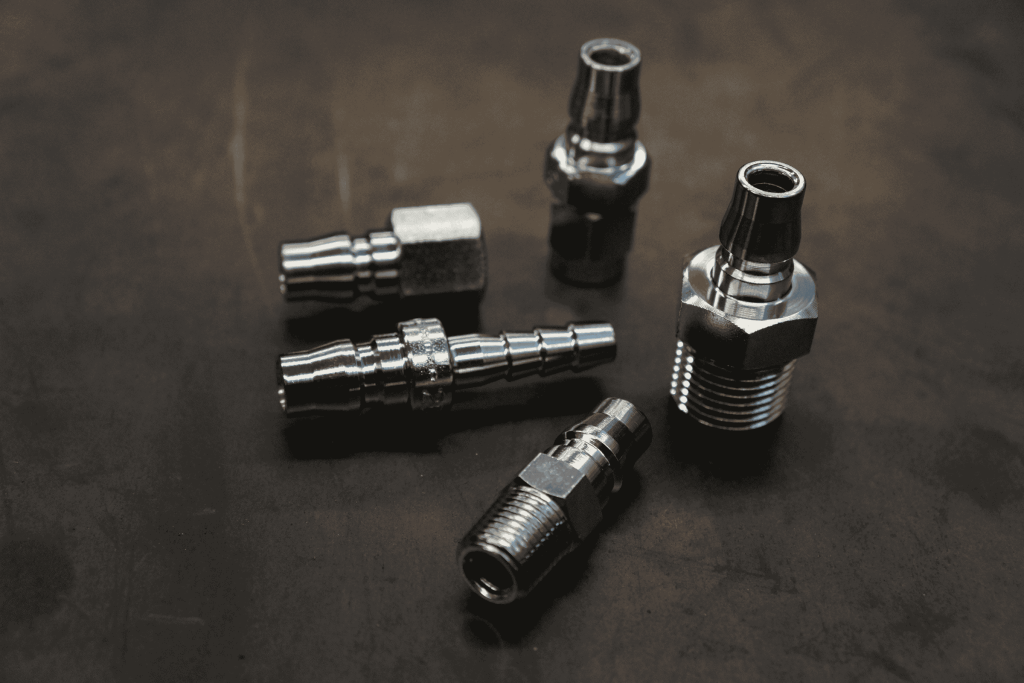
Safety Tips for Using Quick Release Couplings
Quick release couplings are widely used in pneumatic and hydraulic systems for their speed and convenience. However, incorrect handling can lead to serious safety risks, equipment failure, and downtime. As

Camozzi’s Impact on the Robotics Industry
The robotics industry continues to push the boundaries of precision, speed, and automation. Behind many of these advancements are components designed for reliability and control, and few manufacturers are as

What is a Pneumatics Control Module?
A pneumatics control module is a key component in automated systems that use compressed air to perform tasks such as movement, gripping, or switching. It acts as the brain of

Why Use Eaton Synflex Hose
Eaton Synflex hose is a leading choice across a wide range of industries for those who need durable, lightweight, and high-performance hose solutions. Known for its advanced thermoplastic construction, Synflex

The Significance of Material Compatibility in Pneumatic Systems
In pneumatic systems, material compatibility is not just a detail—it’s fundamental to long-term performance, safety, and reliability. Whether it’s tubing, fittings, seals, or valves, each component must be suited to

Common Mistakes to Avoid When Installing Pneumatic Fittings
Installing pneumatic fittings may seem straightforward, but even small mistakes can lead to major issues in an industrial setup. From reduced system performance to costly downtime, poor installation practices often

Pneumatic vs. Hydraulic: Which System Should You Use?
Choosing between a pneumatic and hydraulic system isn’t always straightforward. Each has its advantages depending on the application, environment, and performance demands. In industrial settings, the right decision can significantly

Pneumatic Valves: How to Select the Best Type
Pneumatic valves play a critical role in controlling the flow of compressed air through a system, directly influencing how machines operate across countless industrial settings. Choosing the right valve for

Pneumatic Systems: What Are They and How Do They Work?
Pneumatic systems are a core part of modern industry, powering everything from automated machinery to handheld tools using compressed air. Their simplicity, reliability, and efficiency make them a popular choice

Who Manufactures the Most Reliable Quick Release Fittings?
Quick release fittings are essential components in many pneumatic systems, enabling swift and secure connections without the need for tools. With a wide range of manufacturers offering different designs and

Quick Release Couplings – Everything You Need to Know
Quick release couplings play a crucial role in pneumatic systems, enabling fast, efficient, and secure connections between hoses, tools, and machinery. Designed to simplify workflows and minimise downtime, these components

How Do Air Preparation Units Work?
Air preparation units are essential for maintaining the efficiency and reliability of pneumatic systems. By conditioning compressed air before it reaches critical components, these units help prevent contamination, pressure fluctuations,

How Does a Pneumatic Robot Arm Work?
Pneumatic robot arms are vital tools in modern industrial automation, offering a reliable and cost-effective solution for repetitive tasks. Powered by compressed air, these robotic arms use a combination of

Pneumatics in the Automotive Industry
Pneumatics play a pivotal role in the automotive industry, powering a wide array of applications with efficiency and precision. From the assembly line to the final quality checks, compressed air

What is a Pneumatic Actuator?
A pneumatic actuator is a device that translates the energy from compressed air into mechanical motion. This form of actuator is critical in various industrial applications, offering a reliable and

Directional Control Solenoid Valves: An Essential Guide
In the realm of pneumatic systems, the efficiency and reliability of operations significantly hinge on the components in use. Among these, directional control solenoid valves stand out as pivotal elements.

What is an FRL?
An FRL unit combines three essential components — filters, regulators, and lubricators — each designed to ensure that your pneumatic systems operate efficiently and last longer. These units are pivotal

When Should I Replace My Pneumatic Filters?
Maintaining the efficiency and longevity of pneumatic systems is crucial for any industrial setting. Pneumatic filters play a vital role in protecting these systems from contaminants and ensuring consistent performance.

How To Choose The Correct Air Compressor
Choosing the right air compressor is crucial for both efficiency and effectiveness in a variety of industrial applications. Whether you’re powering pneumatic tools, spraying paint, or operating machinery, the correct

Are There Different Pneumatics for Clean Rooms?
Clean rooms demand highly specialised pneumatic systems due to their strict requirements for cleanliness and contamination control. These environments, used across industries like pharmaceuticals, biotechnology, and electronics, rely on pneumatics

What Is a Pneumatic Gripper?
Pneumatic grippers are a vital component in automation and manufacturing, functioning as the mechanical “hands” that interact with parts and components. Powered by compressed air, these devices are designed to

Learn the Basics of Pneumatic Circuits
Pneumatic circuits are essential to countless industrial processes, using compressed air to deliver reliable and efficient performance. Their simplicity and safety make them a preferred solution for various applications, including

Choosing the Right Sensor for Your Pneumatic Cylinder
Integrating pneumatic systems into industrial operations requires careful consideration, particularly when selecting the right sensor for your pneumatic cylinders. The sensor you choose impacts not only the performance and efficiency

Pneumatics in The Food & Beverage Industry
The application of pneumatic technology has transformed the food and beverage industry, streamlining production processes and elevating product quality. By harnessing compressed air to generate mechanical motion, pneumatics have become

Smart Pneumatics: The Future of the Industry
The industrial landscape is evolving rapidly, with efficiency and innovation at the forefront of progress. Smart pneumatics combine traditional pneumatic systems with cutting-edge digital technologies, enabling smarter, more adaptable manufacturing

How to Measure the Quality of Your Compressed Air
In modern industrial operations, compressed air is a critical resource powering a wide range of processes and machinery. However, maintaining high-quality compressed air is essential to ensuring operational efficiency and

How To Troubleshoot Your Pneumatic System
Effective troubleshooting is key to keeping pneumatic systems running smoothly, reducing downtime, and ensuring consistent productivity in industrial operations. A well-maintained system not only enhances reliability but also extends its

How to Improve Air Flow Efficiency in Your Pneumatic System
Efficient pneumatic systems are the backbone of cost-effective and reliable industrial operations. Optimising airflow is not only about energy savings but also about maintaining peak equipment performance, reducing wear, and

What are Servo Pneumatics?
Servo pneumatics blend the flexibility of pneumatic systems with the precise control of servo technology. This powerful combination delivers highly accurate motion control for a wide range of industrial applications,

How to Choose the Correct Pneumatic Fittings
Choosing the right pneumatic fittings is crucial for the efficiency and reliability of your pneumatic systems. These components are vital for creating secure connections in various applications, ranging from industrial

How To Get More Out of Your Pneumatic System
Pneumatic systems are integral to the operations of many industrial sectors, providing a reliable source of power with a simplicity that belies their underlying complexity. To ensure your system operates

How to Size Pneumatic Tubing and Piping
Selecting the correct size for pneumatic tubing and piping is a critical decision in the design and maintenance of an efficient pneumatic system. This choice impacts the performance, efficiency, and

The History of Pneumatics: From Ancient Innovation to Modern Efficiency
The story of pneumatics is a fascinating journey that spans from the ingenious applications of ancient civilisations to the cutting-edge technologies driving today’s industries. This exploration reveals how the principles

Where are Pneumatics Used in Everyday Life?
Pneumatics play a pivotal role in modern technology, often hidden in plain sight within our daily routines. This technology harnesses the power of compressed air to perform work, driving machinery

What’s the Cushioning in Pneumatic Cylinders?
Cushioning in pneumatic cylinders is a critical feature that helps manage the deceleration of the piston as it reaches the end of its stroke. Without proper cushioning, the piston would

How To Install Pneumatic Cylinders
Installing pneumatic cylinders correctly is crucial for ensuring they operate efficiently and reliably. This guide will walk you through the process, from planning and preparation to testing and maintenance. Proper

How Do Pneumatic Cylinders Fail?
Pneumatic cylinders are vital components in many industrial applications, known for their reliability and efficiency in converting compressed air into mechanical motion. However, despite their robustness, pneumatic cylinders are not

What Are Motion Terminals?
How Motion Terminals Work Motion terminals represent a paradigm shift in how pneumatic systems are conceptualised and implemented. At their core, these terminals operate on the principle of using digital

How Do I Choose the Right Pneumatic Cylinder?
Selecting the correct pneumatic cylinder for your application is crucial to ensuring optimal performance, efficiency, and longevity. With a wide range of options available, understanding the key factors that influence

Why To Look For Hidden Pneumatic Leaks
In the world of pneumatics, efficiency and reliability are paramount. Hidden leaks within pneumatic systems are often the silent adversaries of this efficiency, leading to increased operational costs and reduced

Why Is There Moisture In My Pneumatic System?
Moisture in pneumatic systems can be a puzzling issue for many industrial facilities, often leading to unwanted downtime, decreased efficiency, and potential damage to equipment. Understanding why moisture forms in

How to Lubricate a Pneumatic Cylinder
Lubrication plays a pivotal role in the maintenance and efficiency of pneumatic cylinders, ensuring they operate smoothly and reliably. At Fluid-Air Components Ltd, we understand the critical nature of this

Glossary of Pneumatic Terms
Pneumatics play a crucial role in modern industry, utilising compressed air to transmit and control energy. Pneumatic systems are everywhere, from factory floors to the automation of mechanical processes. At

What is a Pneumatic Manifold?
A pneumatic manifold serves as the cornerstone of any pneumatic system, embodying both functionality and simplicity. At its core, a pneumatic manifold acts as a hub, directing air or gas

What Are DIN 43650 Plugs?
In the world of industrial automation and control, connectivity and reliability are paramount. DIN 43650 plugs, also known as solenoid valve connectors, play a crucial role in ensuring smooth and

Pneumatic Cylinder Force Calculator
Welcome to our guide on how to calculate the force of your pneumatic cylinder. This is an essential asset for professionals and enthusiasts alike in the realm of pneumatics, providing

How To Select A Pneumatic Gripper
Selecting the right pneumatic gripper is crucial for the efficiency and effectiveness of automated systems in various industrial applications. These devices, integral to the automation process, are responsible for gripping

How To Remove Condensation From Pneumatic Systems
Condensation in pneumatic systems can be a significant challenge, impacting both efficiency and the longevity of the system. At Fluid-Air Components Ltd, we understand the importance of maintaining a dry

How To Increase the Efficiency of FRLs?
In the dynamic world of pneumatic systems, efficiency is key. For industries relying on these systems, optimising the performance of Filter, Regulator, and Lubricator (FRL) units is crucial. Fluid-Air Components

How Does a Pneumatic Solenoid Valve Work?
In the dynamic world of pneumatics, the role of a solenoid valve is pivotal. It’s a component that not only exemplifies innovation but also symbolises the intricate blend of mechanics

What is Air Treatment?
Air treatment, a fundamental aspect of modern industrial operations, involves the process of conditioning compressed air to ensure it meets the required standards and specifications for various applications. This process

When Should I Replace the Compressor In My Pneumatic System?
In the dynamic world of pneumatic systems, the compressor stands as the heart of operations. It’s crucial for maintaining the efficiency and reliability of your system, yet knowing exactly when

Why Is Compressed Air Temperature Important?
In the realm of industrial pneumatic systems, the significance of compressed air temperature cannot be overstated. It plays a crucial role in the efficient operation, safety, and longevity of compressed

What’s the Difference Between Pneumatics and Hydraulics?
In the realm of industrial machinery and systems, hydraulics and pneumatics stand as two fundamental technologies that power a vast array of equipment. Both systems utilise fluid power to perform
What is the Difference Between 5/2 and 5/3 Solenoid Valves?
In the dynamic world of pneumatic systems, solenoid valves play a pivotal role in controlling the flow of air and gases. Understanding the nuances between different types of solenoid valves
What is Pneumatic Pressure?
In the world of mechanics and engineering, pneumatic pressure stands as a cornerstone concept, integral to a multitude of applications across various industries. At its essence, pneumatic pressure is the
What is an ISO Standard Pneumatic Cylinder?
In the dynamic world of industrial automation and control, pneumatic cylinders play a pivotal role. But what elevates a pneumatic cylinder to an international standard of excellence? This is where
What are the Main Components of a Pneumatic System?
Pneumatic systems, integral to various industrial applications, harness the power of compressed air to perform work. These systems, renowned for their efficiency and reliability, play a crucial role in automating
What are the Advantages and Disadvantages of Using Pneumatics Over Hydraulics?
In the realm of industrial applications, the choice between pneumatic and hydraulic systems is a critical decision that impacts efficiency, cost, and performance. Fluid-Air Components Ltd, renowned for its expertise
Understanding the Different Types of Pneumatic Cylinders
Pneumatic cylinders, also known as air cylinders, are fundamental components in the world of modern automation and machinery. They provide the necessary motion and force for a vast array of
Pneumatic Valve Systems
Pneumatic valve systems are at the heart of modern industrial automation, playing a pivotal role in controlling the flow and pressure of compressed air in machinery. These systems, which range
Pneumatic Flow Control Valves
In the dynamic world of industrial automation and control systems, the role of pneumatic flow control valves is indispensable. These components are crucial in regulating the rate of energy transfer
How to Measure BSP Threads
In the realm of pneumatic and hydraulic systems, accurate measurement of BSP (British Standard Pipe) threads is crucial for ensuring reliable and leak-free connections. Fluid-Air Components Ltd, with its extensive

How Do Pneumatic Cylinders Work? – A Comprehensive Guide
Welcome to this comprehensive guide on the intricacies of pneumatic cylinders, a topic that often garners interest but perhaps isn’t always fully understood. In today’s industrial landscape, pneumatic systems play

How Do Pneumatic Valves Work? An In-Depth Guide
Welcome to this comprehensive guide on pneumatic valves, a key component in many industrial settings. For decades, pneumatic valves have been essential for controlling the flow, pressure, and direction of

Single Acting vs Double Acting Pneumatic Cylinders: A Comprehensive Guide
What is the Difference Between Single-Acting and Double-Acting Pneumatic Cylinders? In the world of pneumatics, the terms “single-acting” and “double-acting” frequently come up, particularly when discussing pneumatic cylinders. These two

What are the Advantages and Disadvantages of Using Pneumatics?
Pneumatic systems have long been integral to various industries, powering everything from the machines that manufacture your daily essentials to the equipment used in large-scale industrial settings. Essentially, these systems

What Is the Difference Between 5/2 and 3/2 Solenoid Valves?
When it comes to regulating the flow of air or liquid in industrial systems, solenoid valves play a crucial role. Yet, not all solenoid valves are created equal, and selecting